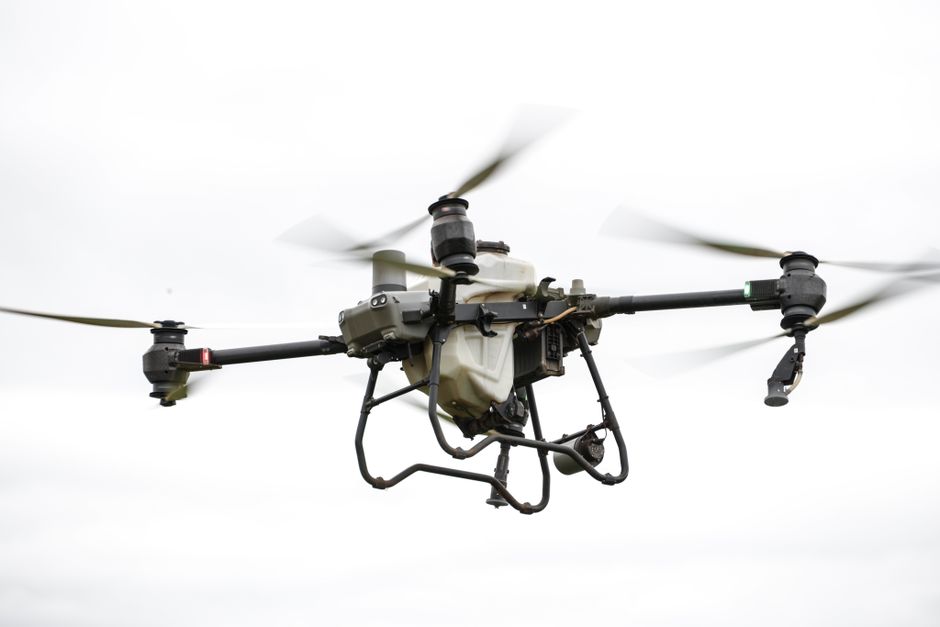
Imagine inspecting a sprawling power grid or a remote pipeline without ever climbing a tower or sending a crew into hazardous zones. Industrial drone platforms have made that possible, transforming how companies approach inspection, maintenance, and security. These advanced systems save time, improve safety, and collect data that would be difficult or impossible to acquire through traditional means.
Applications in Drone Inspection and Utility Checks
Industrial drone platforms are now crucial for drone inspection tasks across energy, infrastructure, and utilities. Their ability to access hard-to-reach locations means you can conduct visual checks on wind turbines, solar farms, power lines, and even bridges without halting operations. Equipped with multispectral cameras, LiDAR, or thermal sensors, these drones deliver detailed imagery and actionable data in real time.
Drone utility inspection is especially important for utility companies that manage extensive networks. Regular aerial surveys can detect early signs of wear, corrosion, or overheating, preventing outages and accidents. By using industrial drone platforms, organisations can schedule preventative maintenance based on data, not guesswork.
Surveillance and Security Enhancement
Surveillance drone solutions are another major use case. For facilities such as factories, warehouses, or critical infrastructure, drones can patrol perimeters, monitor access points, and respond to alarms. With automated flight paths and live video streaming, security teams gain a bird’s-eye view and can act quickly when needed. These capabilities not only deter trespassers but also provide valuable records for later analysis.
Understanding UAVs vs Drones in Commercial Use
The terms “UAV” (unmanned aerial vehicle) and “drone” are often used interchangeably, but in a professional setting there are subtle distinctions. UAV refers to the aircraft itself, while “drone” usually covers both the flying platform and its associated systems, like cameras, sensors, and ground-control stations. In commercial drones for industrial inspection, the focus is on advanced payloads, robust reliability, and seamless integration with existing enterprise workflows.
What Sets Leading Platforms Apart?
Choosing the right industrial drone platform depends on more than just flight time or payload capacity. Features such as weather resistance, modular sensor bays, and encrypted communication links can make all the difference for critical inspections. For example, platforms built by Acecore Technologies have developed a reputation for reliability in demanding conditions, supporting a variety of mission profiles from precise mapping to persistent surveillance.
Depending on your inspection needs, you may also want to consider flight endurance (45 minutes or more is common for advanced models), the ability to operate in rain or strong winds, and compatibility with analytic software for post-mission data processing.
Next Steps for Implementing Industrial Drones
If you’re considering adopting industrial drone platforms for inspection or security, start by assessing the specific requirements of your sites. Identify which assets need regular monitoring, what data you need to collect, and any environmental challenges your drones must tackle. Review case studies of systems built by Acecore Technologies to see how others in your sector have solved similar problems.
- Define your inspection or surveillance objectives.
- Match drone capabilities to your operational environment.
- Plan a pilot project to validate workflow integration and ROI.
For deeper guidance, look for a comprehensive industrial drone deployment guide that covers regulations, training, and data management so your team can get the most out of this technology from day one.